
Consociate Health Provider Portal A Complete Guide for Providers (Login, Claims, Eligibility & More)
Healthcare providers deal with more than just patient care. Every day brings a long list of administrative tasks verifying eligibility, checking benefits, submitting claims, tracking payments, requesting authorizations, and responding to patient questions about coverage. If these tasks aren’t managed efficiently, they can create delays, billing errors, and frustration for both providers and patients.
That’s where digital tools make a real difference. One of the platforms designed to streamline provider operations is the consociate health provider portal. Whether you’re a small clinic, a large hospital network, or a specialty practice, having access to a centralized portal can help you save time, reduce paperwork, and improve your overall workflow.
In this detailed guide, we’ll walk through what the portal is, what it does, how to use it, and how providers can get the most value from it.

What Is the Consociate Health Provider Portal?
The consociate health provider portal is an online platform built to help healthcare providers manage key administrative and insurance-related tasks in one place. Instead of relying on phone calls, emails, and paper documentation, providers can log in and access essential tools related to patient benefits and claims.
It’s designed to be a secure and convenient interface where authorized providers can:
Verify member eligibility
Review benefit details
Submit and track claims
Access payment information
Request prior authorizations (depending on plan)
Communicate or manage documentation more efficiently
For busy medical offices, this portal can become a daily tool that reduces delays and improves accuracy.
Why Provider Portals Matter in Modern Healthcare
Administrative burden is one of the biggest challenges in healthcare today. A provider can offer excellent medical care, but if billing and insurance processes fail, it affects cash flow, patient satisfaction, and staff workload.
Here’s why platforms like the consociate health provider portal are important:
1) Faster Eligibility Verification
Eligibility checks are critical before providing services. A quick portal check reduces claim denials.
2) Cleaner Claims Processing
Submitting claims electronically is often more accurate and faster than manual methods.
3) Improved Payment Tracking
Instead of waiting blindly, providers can monitor claim status and payment progress.
4) Better Office Productivity
Less time on calls means more time for patient care and scheduling.

Key Features of the Consociate Health Provider Portal
While portal features may vary depending on plan and provider access level, most provider portals include core tools that help streamline operations. The consociate health provider portal typically supports the following functions:
✅ Eligibility and Benefits Lookup
This feature allows providers to confirm whether a patient is active under their plan and what benefits apply.
Common benefit details include:
Coverage status
Co-pay amounts
Deductible balance
Coinsurance
Out-of-pocket maximum
Covered services
✅ Claims Submission and Status Tracking
A major advantage of the portal is the ability to submit claims and track progress.
Providers can often:
Submit new claims
View claim status (received, pending, paid, denied)
Review explanation of benefits (EOB) details
Identify missing documentation
✅ Payment and Remittance Information
Many providers want transparency on payments. The portal helps by showing:
Payment amounts
Dates of payment
Claim adjustments
Denial reasons (if any)
This makes reconciliation much easier.
✅ Provider Resources and Forms
Many portals include downloadable forms, guides, and instructions. This can include:
Prior authorization forms
Appeal forms
Billing guidelines
Contact information
With the consociate health provider portal, providers can reduce back-and-forth and locate documents instantly.

How to Access the Consociate Health Provider Portal (Step-by-Step)
If you’re a provider or billing specialist trying to use the portal for the first time, follow these general steps.
Step 1: Confirm Provider Registration
Before logging in, make sure your organization is registered and has authorized access.
Step 2: Create Your Account
Most portals require:
Provider identification details
Tax ID (TIN)
NPI number
Practice information
Email verification
Once approved, you can create credentials for portal login.
Step 3: Log In Securely
After registration, you can log into the consociate health provider portal using your username and password.
Step 4: Navigate Dashboard
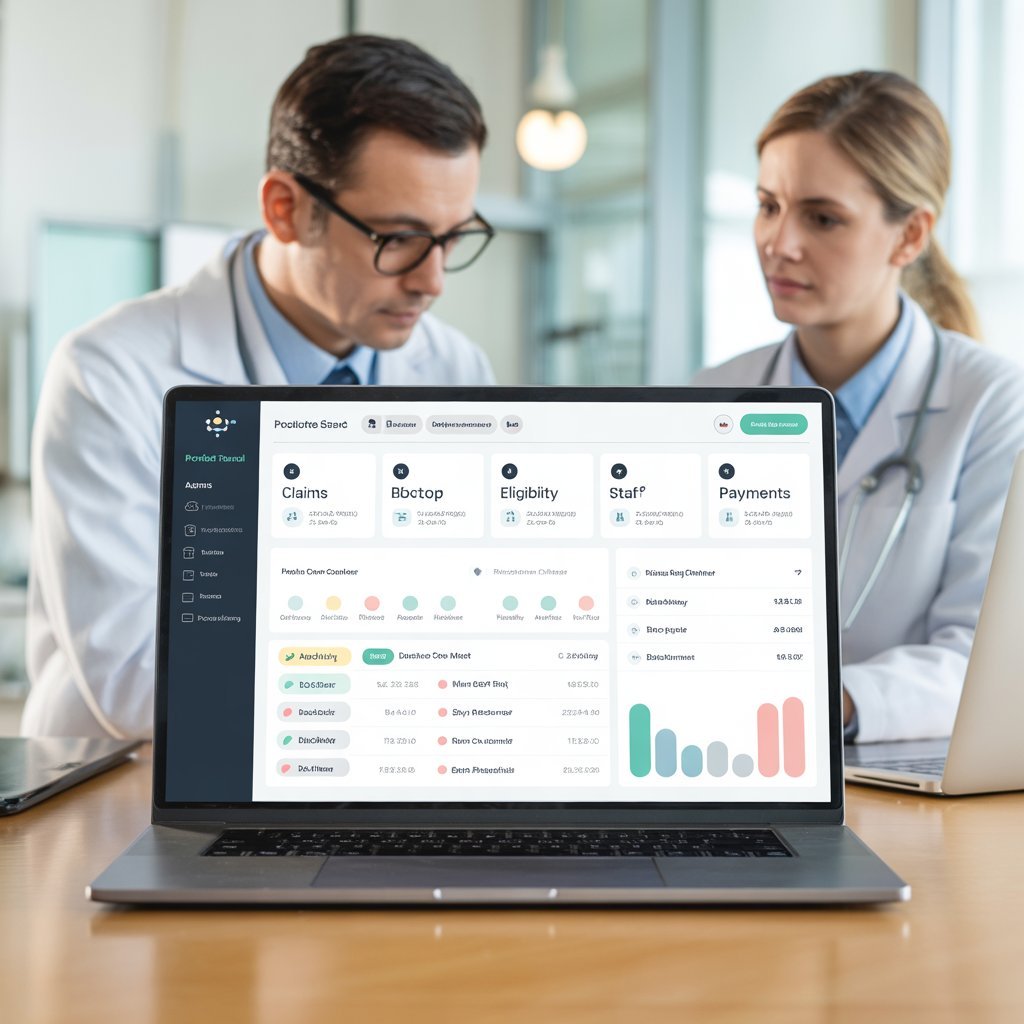
The portal dashboard usually displays:
Eligibility tools
Claims center
Remittance/payment section
Authorizations
Messages/notifications
Common Tasks Providers Can Do Inside the Portal
Let’s look at the everyday tasks clinics and hospitals use the portal for.
1) Verify Patient Eligibility
Before scheduling or confirming services, verify the patient’s eligibility in the portal. This reduces claim rejections.
2) Confirm Coverage Details
Knowing coverage rules helps your front desk quote more accurate patient responsibility amounts.
3) Submit Claims Quickly
The portal can reduce processing delays by allowing electronic submission.
4) Monitor Claim Status
Instead of calling support, providers can check the claim progress directly in the consociate health provider portal.
5) View Denial Reasons
When claims are denied, portals often provide reason codes. This helps staff correct errors and resubmit faster.
Tips to Avoid Claim Denials When Using the Portal
Even with a portal, denials can happen if details are incorrect. Here are practical tips to improve approval rates:
✔ Double-check patient details
Incorrect member ID or DOB can cause instant rejection.
✔ Verify eligibility before services
Always verify coverage on the date of service.
✔ Use correct coding
Ensure CPT/ICD codes are accurate and aligned with documentation.
✔ Submit required documents
Attach any medical necessity documents when needed.
✔ Track deadlines
Claims submitted late may be denied regardless of accuracy.
Using the consociate health provider portal consistently can help staff catch errors earlier and reduce denial rates.
How the Portal Helps Small Clinics and Large Hospitals Differently
One reason provider portals are valuable is that they serve organizations of all sizes.
For Small Practices
Reduces staff workload
Cuts time spent on calls
Speeds up reimbursement
Simplifies billing
For Hospitals and Networks
Supports higher claim volume
Improves reporting
Helps multiple departments coordinate
Streamlines payer interactions
No matter the size, the consociate health provider portal becomes a key administrative support tool.
Security and Compliance: Is the Portal Safe?
Because the portal contains protected health information (PHI), security matters.
The consociate health provider portal is typically designed with security features such as:
Encrypted connections (HTTPS)
User authentication and password policies
Role-based access
Activity tracking
Secure document handling
Providers should also follow best practices:
Never share login credentials
Log out after use
Use strong passwords
Limit access to authorized billing staff only
Troubleshooting Login Issues (Quick Fixes)
Sometimes providers face login problems. Here are common issues and solutions:
Issue 1: Forgot password
Use the “Forgot Password” option and reset via email.
Issue 2: Account locked
Multiple incorrect attempts may lock the account. Contact support or wait for automatic unlock.
Issue 3: Portal not loading
Try:
Clearing browser cache
Using Chrome/Firefox
Disabling browser extensions
Checking internet connection
Issue 4: Access denied
You may not have proper permissions. Your admin may need to update access roles.
If problems persist, contact the portal helpdesk for the consociate health provider portal.
Best Practices for Office Staff Using the Portal
To make portal usage smooth, train staff properly.
Recommended workflow:
Eligibility check before appointment confirmation
Benefits confirmation before services
Claim submission within 24–48 hours
Claim follow-up weekly
Denial review and resubmission quickly
With consistent use, the consociate health provider portal can become a daily system that improves financial performance.
FAQs: Consociate Health Provider Portal
1) What is the Consociate Health Provider Portal used for?
It is used by providers to verify eligibility, review benefits, submit claims, track payments, and manage insurance-related tasks.
2) Can providers submit claims through the portal?
Yes, claim submission and claim status tracking are common portal features.
3) Is the portal available 24/7?
Most portals are accessible anytime, though scheduled maintenance may occur.
4) What should I do if I can’t log in?
Try resetting your password or clearing your browser cache. If issues continue, contact support.
5) Is patient data secure?
Yes, provider portals are built with security standards and encrypted access to protect PHI.
Final Thoughts: Why Providers Should Use the Portal Regularly
Healthcare isn’t just about treatment—it’s also about ensuring that the financial and administrative side runs smoothly. A good portal reduces errors, improves claim turnaround time, and helps your staff work smarter.
The consociate health provider portal is designed to help providers simplify daily tasks like eligibility checks, claims submission, and payment tracking. When used consistently, it saves time, reduces denials, and improves overall workflow efficiency.
If you’re a provider who hasn’t fully adopted portal tools yet, now is the perfect time. Train your staff, build portal-based workflows, and make administration easier—so you can focus more on what truly matters: patient care.
